
Autism Assessments for Adults
Our adult autism assessments provide a thorough, NICE-aligned, in-person diagnostic process for adults across Somerset, Devon and the South West.
Choosing to be Assessed for Autism
Whether you are seeking clarity about lifelong traits, exploring the possibility of autism for the first time, or looking to understand experiences that have never quite fitted the “typical” mould, the assessment is structured to be respectful, collaborative and clinically robust.
Adults may seek assessment for autism because:
- they have long-standing social or sensory differences
- ADHD traits overlap and create diagnostic uncertainty
- masking has led to burnout, exhaustion or identity confusion
- others (family, partner, professional) have raised the possibility of autism
- they recognise themselves in the autistic lived experience
In-person NHS-model assessments
Recognised by NHS and SEND services
One lead clinician from start to finish
30+ years in clinical practice
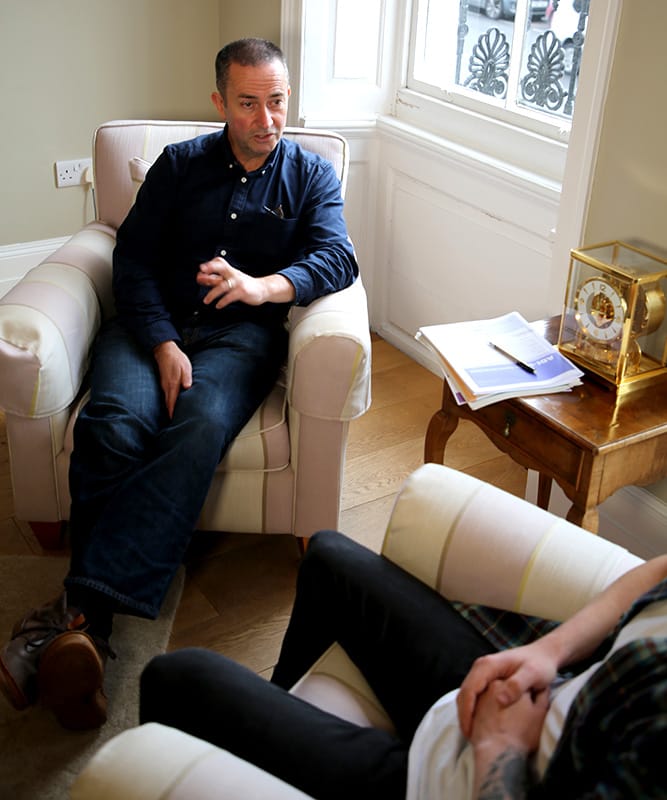
Our Positive and Sensitive Approach
Autism comes with both challenges and strengths. We highlight:
- hyperfocus
- creativity
- deep thinking
- justice sensitivity
- loyalty and integrity
- sensory attunement
- analytical strengths
- strong pattern recognition
We work sensitively with:
- late-diagnosed adults
- autistic women and AFAB individuals
- those with trauma histories
- LGBTQ+ individuals
- people who mask or camouflage
The Autism Assessment Process for Adults
1. Clinical Interview
A detailed conversation exploring:
- areas of strength as well as challenges
- background and developmental experiences
- social communication across the lifespan
- relationships and identity
- sensory differences
- routines, interests and patterns of behaviour
- emotional wellbeing and coping
This is typically 2–3 hours, in person whenever possible.
2. Developmental History
A structured interview with someone who knew you in childhood, or failing that, someone who knows you well now. This explores:
- early social development
- play and school experiences
- sensory and behavioural patterns
- communication history
- early concerns or differences
(If no childhood informant is available, this can still be completed using detailed self-reflection combined with collateral information.)
3. ADOS-2 Assessment
An in-person, semi-structured observational assessment carried out with a second clinician. This explores:
- communication and interaction
- social reciprocity
- imaginative and flexible thinking
- patterns of behaviour
4. Supplementary Tools (as needed)
These may include:
- ADHD screening or assessment (if requested)
- sensory questionnaires
- trauma/mental health screening
- DISCO (optional — particularly useful for complex, subtle or masked presentations)
5. Diagnostic Formulation & Feedback
You will receive:
- a verbal explanation of the outcome
- clear reasoning as to whether DSM-5 criteria are met or not
- a strengths-based psychological formulation
- recommendations for work, education, wellbeing and daily living
A detailed written report follows. Your report will include a balanced understanding of both strengths and support needs.